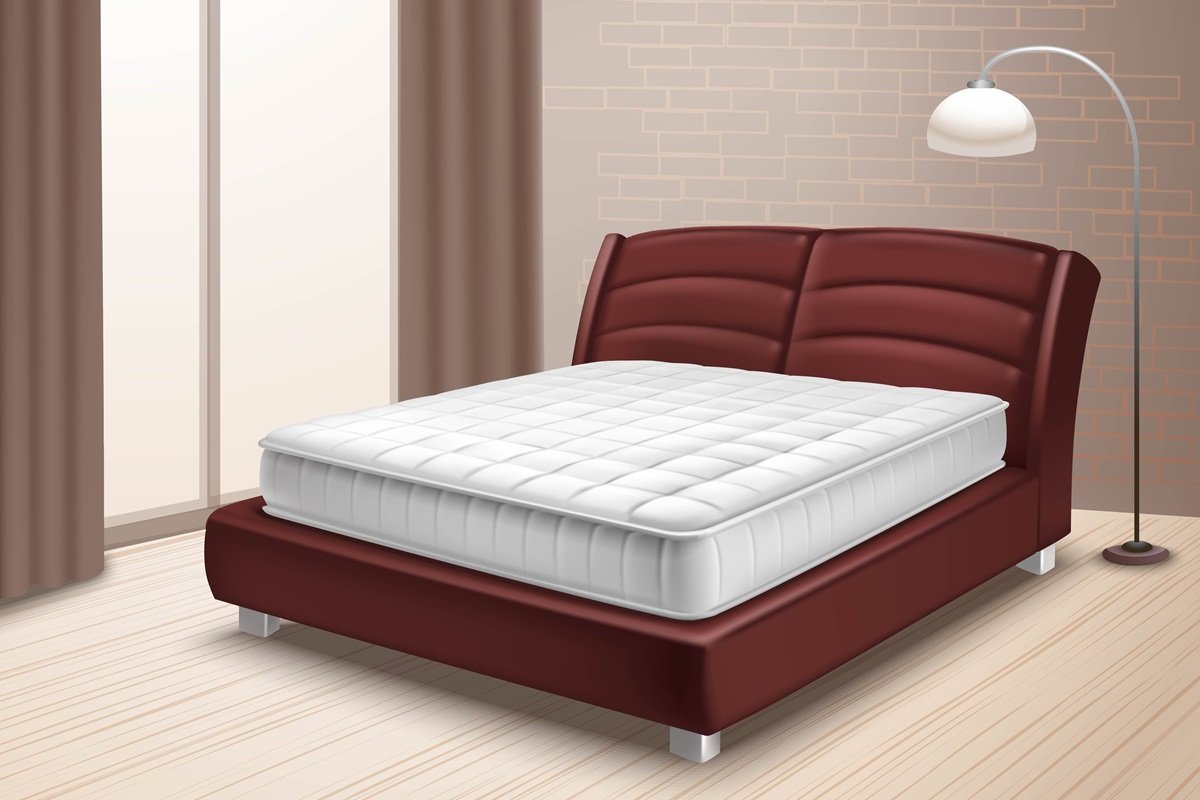

Upgrading to a bigger bed often feels like the obvious solution when your current sleeping setup starts to feel cramped. More space usually means better comfort, fewer disturbances from a partner’s movements, and a bedroom that feels more inviting. But before making the switch, there is one step many buyers overlook. They forget to measure.
Buying a larger bed without checking your room dimensions, access points, and lifestyle needs can lead to unexpected inconveniences. A mattress that looks perfect in a showroom may dominate your bedroom or prove difficult to move inside your home.
If you are considering a double mattress, taking a few measurements beforehand can help you make a practical choice that balances comfort with functionality.
Start With Your Bedroom Dimensions
The first thing to measure is the room itself. Do not rely on memory or rough estimates. Take a measuring tape and record the exact length and width of the available floor space.
Many people only think about whether the bed can fit against a wall, but they forget about the walking space. Ideally, there should be enough room to move comfortably around the bed, access wardrobes, and open doors without obstruction.
A bedroom should remain functional after the bed is installed. Even the most comfortable mattress can become frustrating if it leaves the room feeling overcrowded.
Know the Standard Mattress Sizes
Understanding mattress dimensions helps you compare options more effectively.
A single mattress is designed for one sleeper and measures around 72 inches by 36 inches.
A double mattress is commonly available in dimensions close to 72 inches by 48 inches, although exact measurements may vary slightly by manufacturer.
Queen and king sizes offer more sleeping space but also require significantly larger rooms to maintain a balanced layout.
Before deciding to upgrade, compare your room dimensions with the mattress size and leave adequate clearance around the edges.
Measure Doorways and Staircases
One of the most overlooked details is the path the mattress must travel before reaching the bedroom.
Check the width and height of your main entrance, apartment lift, staircases, hallway turns, and bedroom door. Even if your room can accommodate the mattress, narrow access points may create delivery challenges.
Modern mattress designs often incorporate construction methods that enhance flexibility and ease of transportation, but it is still worth verifying the measurements before placing an order.
Consider Existing Furniture
A bed rarely sits alone in a room.
Wardrobes, bedside tables, study desks, dressing units, and storage cabinets all occupy valuable floor space. Before choosing a larger mattress, map out where each piece of furniture is positioned.
Visualising the complete room layout prevents situations where drawers cannot open fully or walking paths become too narrow.
Some people even use masking tape on the floor to outline the mattress dimensions before buying. This simple exercise provides a realistic sense of how much space the bed will occupy.
Think About Who Will Use the Bed
Your sleeping habits should influence your decision as much as room size.
For solo sleepers who prefer extra room to stretch, a double mattress often offers a comfortable balance between space efficiency and sleeping comfort.
For couples, sleeping preferences matter as well. If both partners move frequently during the night or have different sleeping positions, a larger option may feel more accommodating.
The right size is not always the biggest available. It is the one that meets your needs and fits comfortably in your bedroom.
Check Bed Frame Compatibility
Not every existing bed frame can support a different mattress size.
If you plan to replace only the mattress, confirm that its dimensions match your current frame exactly. Even small differences can affect stability and comfort.
Alternatively, if you are purchasing a completely new bed setup, ensure both the frame and mattress are designed to work together.
Quality manufacturers often engineer their sleep systems with carefully matched dimensions and support structures to maximise durability and performance.
Leave Space for Daily Living
Bedrooms serve multiple purposes beyond sleeping.
Many people use them for reading, working, exercising, or storing belongings. Some families also accommodate children or pets who occasionally share the room.
When evaluating whether a larger mattress is suitable, consider your everyday routine rather than focusing only on sleep hours.
The room should still feel open enough to support your lifestyle without becoming cluttered.
Do Not Ignore Mattress Height
While width and length receive most attention, mattress height also deserves consideration.
A mattress that is too tall may make getting in and out of bed uncomfortable for elderly users or individuals with mobility concerns. At the same time, a very low profile may not provide the desired sleeping experience.
Premium mattress collections often offer multiple thickness options across foam, spring, and hybrid constructions, allowing buyers to select a height that complements both comfort preferences and bed frame design.
Storage Needs Matter Too
Many modern homes make use of storage beds.
If your bed frame includes hydraulic storage or drawers underneath, confirm that there is enough clearance around them to operate them easily. A larger mattress should not interfere with opening mechanisms or reduce accessibility.
Likewise, ensure nearby wardrobes and cabinets can still function normally once the new bed is installed.
Small details like these have a noticeable impact on everyday convenience.
Think About Material and Construction
Choosing the right size is only one part of the buying decision.
The internal construction of the mattress affects support, airflow, durability, and pressure relief. Memory foam, latex, spring, and hybrid designs each cater to different sleeping preferences.
Brands specialising in sleep products often provide a wide portfolio that includes orthopaedic support options, pocket spring systems, foam technology, and hybrid combinations to accommodate varying comfort requirements.
Matching the construction to your sleeping style can be just as important as selecting the correct dimensions.
Account for Body Height
The tallest sleeper in the household should influence mattress length.
If someone regularly finds their feet hanging over the edge, upgrading to a longer mattress may significantly improve comfort.
Similarly, sleepers who change positions frequently during the night benefit from sufficient width that allows unrestricted movement.
Measuring your own requirements alongside the room dimensions helps you make a more personalised buying decision.
Budget Beyond the Mattress
When increasing bed size, remember that additional purchases may be necessary.
Bedsheets, mattress protectors, pillows, comforters, and bed frames may all need to be replaced to fit the new dimensions.
Planning for these associated expenses provides a clearer picture of the total investment involved.
Conclusion
Buying a bigger bed should improve your sleep quality, not create practical challenges in your home. Measuring your bedroom, access points, furniture placement, and daily living space before making a purchase helps ensure the mattress fits naturally into your environment.
For many households, a double mattress offers an appealing balance between comfort and space efficiency, making it a versatile choice for guest rooms, growing families, and individual sleepers who enjoy extra room. Combined with thoughtful planning and attention to construction quality, selecting the right mattress becomes a decision based on both comfort and practicality rather than guesswork.