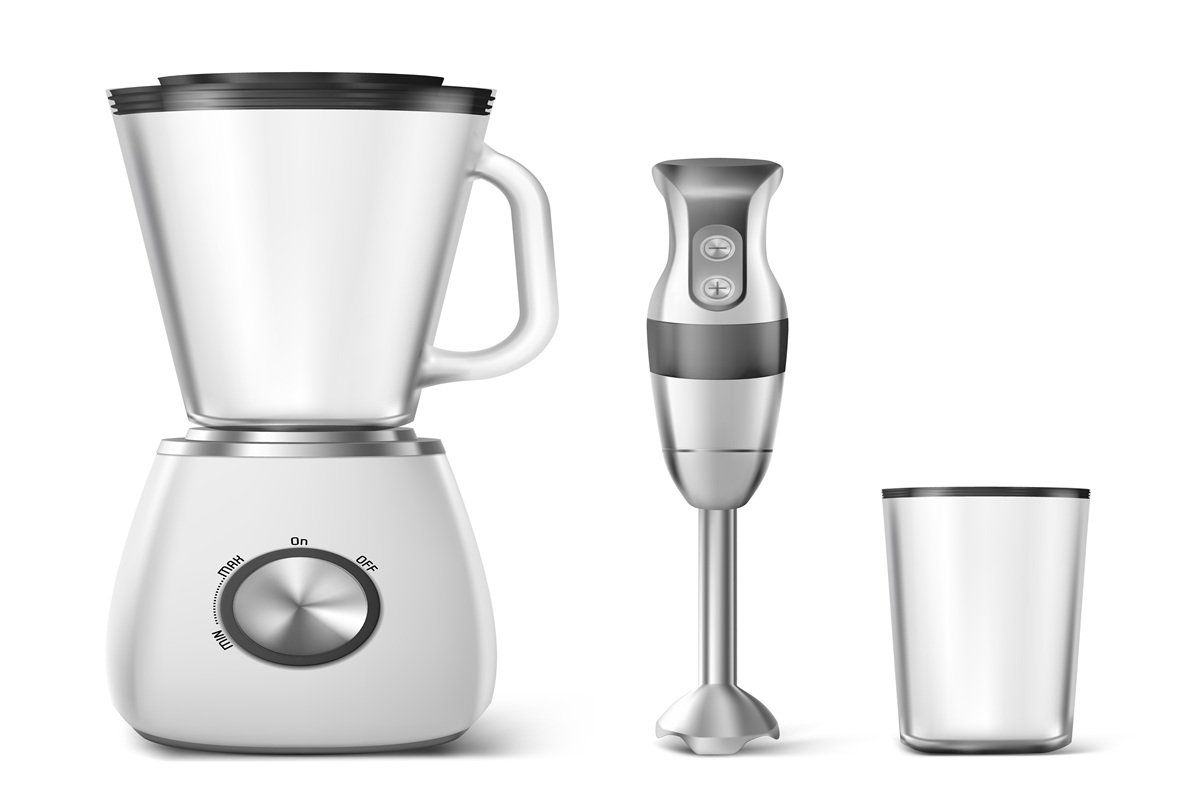

A blender can seem almost impossible to misuse. Toss in some fruit, add a little liquid, switch it on, and you have a smoothie. Need a quick chutney? The same appliance can often handle that too. With the right blender, you can do everything from breakfast drinks to everyday kitchen prep in minutes.
But that versatility has a limit.
Not every ingredient belongs in a blender jar. Some foods are too hard, others are too hot, while sticky or fibrous ingredients can make the blades work much harder than they need to. In some cases, using the wrong ingredients repeatedly can affect the blades, seals or motor.
The good news is that you do not need to treat your blender like a delicate piece of equipment. You need to know what it can handle and when another kitchen tool is a better choice.
Start by Understanding Your Blender
Before looking at individual ingredients, it helps to understand what your appliance is designed to do.
A household blender mixer is built for tasks such as blending fruits and vegetables, preparing smoothies, making sauces and handling certain batters or chutneys. However, the exact capabilities vary from one model to another.
Motor power, blade design, jar material and capacity all make a difference. A compact blender designed for smoothies should not automatically be expected to crush large quantities of ice or grind very hard ingredients.
This is where checking the manufacturer’s instructions becomes useful. The manual will usually tell you which ingredients and functions are suitable for your particular model.
In other words, do not assume that because something fits inside the jar, the blender is meant to process it.
Ingredients That Can Be Problematic
Certain ingredients are more likely to cause trouble than others. The main concerns are foods that are extremely hard, very hot, unusually fibrous or excessively thick and sticky.
Here are some of the common ones to watch out for.
Large Ice Cubes and Very Hard Frozen Ingredients
Ice is one of the first ingredients people associate with a blender, but that does not mean every blender is designed to crush it.
Large ice cubes can put considerable pressure on the blades and motor, particularly in smaller household models. Similarly, throwing in large pieces of rock-hard frozen fruit can make the motor work harder than necessary.
This does not mean you have to give up on frozen smoothies. If your blender is designed to handle frozen ingredients, use smaller pieces and add enough liquid to help everything move around the jar. Avoid forcing the ingredients down while the appliance is running.
If the manufacturer’s instructions specifically advise against crushing ice, follow that guidance.
Boiling-Hot Liquids
A steaming pot of soup may look like an obvious candidate for blending but transferring it straight into a sealed blender jar is not a good idea.
Hot liquids can create pressure inside the jar when you switch on the appliance. That pressure may force the lid upwards or cause hot liquid to escape, creating a serious burn risk.
Instead, let soups, sauces, and other cooked mixtures cool before blending. If your appliance has specific instructions for processing warm ingredients, follow them carefully.
This is particularly important when blending larger quantities. A little patience is far better than dealing with a hot splash across your kitchen counter.
Long, Fibrous Ingredients
Some vegetables are perfectly healthy additions to smoothies but can be surprisingly difficult for a blender to process.
Celery is a good example. Its long, stringy fibres can wrap around the blades rather than breaking down smoothly. Sugarcane is an even more challenging ingredient because of its tough fibrous structure.
If you need to blend fibrous produce, cut it into smaller pieces first and remove particularly tough strands where possible. Depending on the ingredient and your blender’s instructions, a juicer or food processor may be a more suitable option.
The key is not to assume that softness equals easy blending. Some foods may feel soft enough to bite but still contain fibres that are difficult for the blades to break down.
Thick Dough and Extremely Sticky Mixtures
A blender is not automatically a substitute for every other kitchen appliance.
Very thick dough, dense nut butter and similarly sticky mixtures can be difficult to move around the blades. Instead of circulating freely, the mixture may sit heavily around the blade assembly. That makes the motor work harder and can also make the jar unnecessarily difficult to clean.
For dough, a mixer with a suitable dough attachment is usually the better choice. For thick spreads or nut butters, use an appliance specifically designed to handle dense mixtures if your blender’s manual does not recommend them.
If you use a thick mixture in a blender designed for it, avoid running the motor continuously for long periods. Follow the recommended operating time and give the appliance a break when required.
What About Spices, Chutneys and Batters?
This is where a mixer and blender combination can be particularly useful in an Indian kitchen. Different jars and attachments are often designed for different types of preparation.
A smaller grinding jar, for example, is more appropriate for dry spices or small quantities of chutney. A larger blending jar works better for liquids, smoothies and preparations that need more room to circulate.
Think about everyday kitchen tasks:
- Chutneys: A smaller grinding jar can be convenient for coconut, chillies, herbs and other chutney ingredients.
- Spice powders: A suitable dry-grinding jar is preferable when processing whole spices.
- Smoothies: A larger blending jar gives fruit, yoghurt and liquid enough space to move around.
- Dosa or idli batter: Use the jar and settings recommended by the manufacturer, particularly when working with soaked grains and larger quantities.
Using the right jar isn’t just about getting a smoother result. It can also prevent you from putting unnecessary pressure on an appliance that was designed for a different job.
Ingredients That Need a Little Preparation
In many cases, the problem isn’t the ingredient itself, but how you add it.
A whole apple, for instance, is much harder for a blender to process than an apple cut into smaller pieces. The same applies to frozen fruit, vegetables and other firm ingredients.
A few simple preparations can make blending easier:
- Cut large fruits and vegetables into smaller pieces.
- Remove hard pits and stones before blending.
- Add enough liquid when the recipe requires it.
- Do not pack the jar tightly with ingredients.
- Process tough ingredients in smaller batches if necessary.
- Use pulse mode when the appliance recommends it for particular ingredients.
These steps take only a few extra seconds but can make a noticeable difference to how easily the ingredients move through the blades.
Do Not Ignore the Jar Capacity
Even ingredients that are perfectly suitable for your blender can become a problem if you add too much at once.
Overfilling prevents ingredients from circulating properly. You may end up with a layer of finely blended food at the bottom while larger pieces remain near the top. The temptation is then to keep the blender running for longer, which can put additional stress on the motor.
Instead, work in smaller batches when you have a large quantity to process.
This is especially useful when making thick chutneys, batters or other mixtures that do not move as easily as liquids.
A Few Habits That Can Extend Blender Life
Looking after a blender does not require much effort. Most of it comes down to using the appliance as intended.
Read the instructions. Your model may have specific restrictions on hot liquids, ice, dry grinding or maximum operating time.
Avoid forcing ingredients down. If something is not moving, switch the blender off before adjusting the contents.
Give the motor a break. Continuous operation for too long can cause unnecessary heat build-up.
Check the blades and seals. Worn blades, damaged seals or a loose-fitting jar can affect performance and safety.
Clean the jar properly. Sticky residue left around the blade assembly can become harder to remove over time.
These are small habits, but they can make everyday blending more convenient and help you get more consistent results from your appliance.
Conclusion
A blender is remarkably useful, but it is not designed to replace every appliance in the kitchen. Large pieces of ice, boiling-hot liquids, tough fibres and extremely dense mixtures can all create problems when the appliance is not designed to handle them.
That does not mean you need to avoid these ingredients altogether. In many cases, cutting them into smaller pieces, letting hot food cool, or choosing the right attachment is all it takes.
The simplest rule is to work with your blender rather than against it. Know what your particular model can handle, use the right jar for the job and avoid pushing the motor beyond its intended limits.
Treat your blender well, and it can remain one of the most useful appliances on your kitchen counter, from morning smoothies to evening chutney.