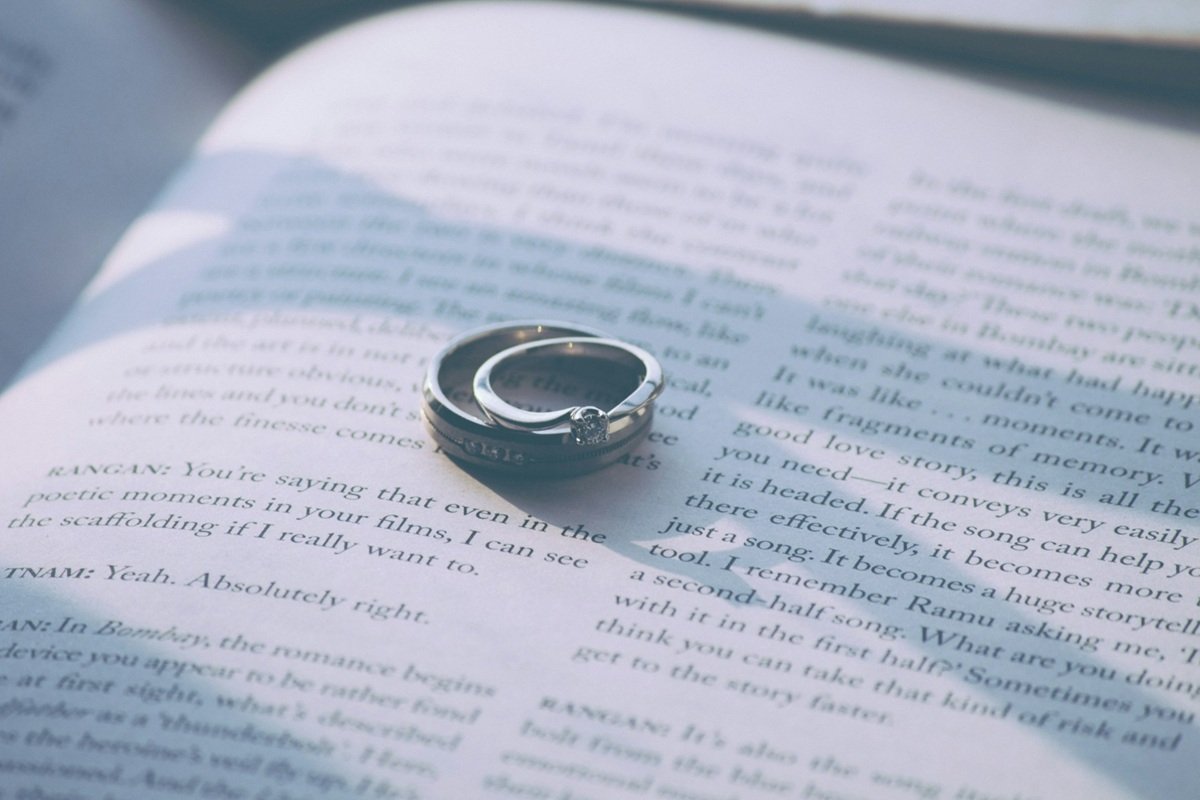

Platinum is often chosen for wedding bands because of its naturally white appearance, substantial feel, and ability to withstand regular wear. However, one characteristic deserves attention before you buy: platinum develops a natural patina over time. Unlike a newly polished ring with a bright, reflective surface, a frequently worn platinum band gradually takes on a softer, slightly frosted appearance.
This change isn’t tarnishing or a sign the metal is deteriorating. It comes from how platinum responds to friction and everyday contact. For some people, the developing finish adds character to a wedding ring. Others prefer the original polished appearance and opt for periodic professional refinishing.
Understanding platinum’s natural patina helps set realistic expectations about how a wedding band looks after months and years of wear. It also makes it easier to assess whether the metal, finish, and design suit your daily habits and personal preferences.
What Is Platinum’s Natural Patina, and Why Does It Develop?
A natural patina is the soft, satin-like finish that develops on platinum as its surface repeatedly contacts other materials. A newly polished platinum ring has a smooth surface that reflects light evenly. As the ring is worn, microscopic surface marks gradually form, changing how light interacts with the metal.
Platinum is a dense precious metal, but it is not immune to surface wear. Repeated friction can cause tiny areas of the metal to deform or become displaced. As these microscopic changes accumulate, the surface becomes less uniformly reflective. This gives the ring a muted appearance that differs from its original high polish.
The process is gradual and depends on how often the ring is worn, the activities you do while wearing it, and how much it contacts other objects.
It is also important to distinguish patina from tarnishing. Platinum is naturally resistant to oxidation and corrosion, so it does not develop the dark surface discoloration associated with certain other metals. Its naturally white color remains, even when its polished finish loses some of its shine.
How Does Everyday Wear Influence Platinum’s Surface?
A wedding band is exposed to more contact than occasional jewelry. It may be worn while working, cooking, driving, handling household objects, or carrying out routine activities. Each interaction can contribute to small changes in its surface finish.
Several factors influence how quickly patina develops:
- Contact with hard surfaces: Door handles, countertops, furniture, tools, and other objects can leave microscopic marks on the ring.
- Repeated hand movements: Everyday activities involving gripping, lifting, and handling objects create friction that gradually affects the metal.
- Wearing stacked rings: When a wedding band sits beside an engagement ring, the two pieces may rub against each other. This can create additional marks, particularly around the points of contact.
- Work and lifestyle: People who regularly handle equipment, work with their hands, or participate in activities involving physical contact may notice surface changes sooner.
- Ring design: Wider bands and designs with exposed surfaces may show changes differently from narrow or heavily detailed rings.
There is no fixed timeline for platinum to develop a noticeable patina. Two people wearing identical rings may see different results because their daily routines differ.
Is Platinum Patina the Same as Scratches?
Although patina develops through the accumulation of microscopic surface marks, it is not quite the same as an individual scratch.
Patina softens the metal’s finish overall. Instead of appearing as distinct lines, it gives the surface a slightly cloudy or satin-like quality. Scratches are more identifiable marks that may appear as lines, grooves, or concentrated areas of abrasion.
Understanding the difference helps determine whether a ring needs professional attention or shows the appearance expected from regular wear.
| Feature | Natural Patina | Individual Scratches |
| Appearance | Soft, muted, or slightly frosted finish | Visible lines, marks, or grooves |
| Distribution | Develops gradually across exposed surfaces | Usually appears in specific areas |
| Cause | Accumulation of microscopic surface changes | Contact with objects that cause more noticeable abrasion |
| Effect on shine | Reduces the uniform reflection of light | Interrupts reflection around the affected area |
| Maintenance | Can be retained or professionally polished | May require polishing or professional assessment depending on depth |
A platinum ring can develop both patina and visible scratches. Neither automatically indicates structural damage. However, deep grooves, a bent band, loose stones, or damaged prongs should be examined by a qualified jeweler.
Does Platinum Patina Affect the Strength and Durability of a Wedding Band?
Patina does not mean platinum has become structurally weaker. Surface appearance and the metal’s underlying integrity are two different considerations.
Platinum is valued for its density, durability, and corrosion resistance. It is commonly alloyed with other metals to achieve the properties required for fine jewelry. The resulting alloy can withstand regular wear while maintaining its structural integrity.
One characteristic that distinguishes platinum from some other precious metals is the way it responds to abrasion. Rather than simply losing material with every scratch, platinum can undergo surface displacement, where metal moves around the affected area. However, this doesn’t mean platinum never loses material. Repeated abrasion and aggressive polishing can gradually remove some metal.
For someone choosing a ring for everyday wear, this distinction matters. A platinum wedding band can develop a softer surface finish without losing its usefulness as durable jewelry.
Durability does not mean scratch-proof. Platinum can acquire noticeable marks, and its ability to retain its shape depends on the alloy, construction, band thickness, and setting design.
Can Platinum Patina Be Removed to Restore the Original Shine?
Yes. Professional refinishing can restore platinum’s original polished appearance.
A jeweler can assess the ring’s condition and use appropriate polishing techniques to smooth its surface and restore its reflective finish. The result can make the ring look closer to its original appearance.
However, polishing should not be treated as something that needs to happen whenever a minor mark appears. The process removes or redistributes surface material, and repeated aggressive refinishing can gradually reduce the metal.
The decision to polish a ring is a matter of personal preference. Some owners enjoy the softer finish that develops naturally and choose not to alter it. Others prefer the brighter look of freshly polished platinum and opt for occasional refinishing.
Rings with intricate details or diamonds require additional care during this process. A jeweler should assess the setting and gemstones before doing any work to ensure the refinishing method is appropriate.
Does Platinum Patina Look Different on Plain and Diamond-Set Bands?
The design of a wedding band influences how its patina develops and how noticeable the change becomes.
A plain platinum band has an uninterrupted metal surface. As it develops a patina, the change may appear more consistent across its exposed areas. This creates a subtle, understated finish that can complement minimalist jewelry.
Diamond-set bands have a different visual effect. The platinum surrounding the stones may develop a softer finish, while the diamonds continue to reflect light. This contrast can make the stones stand out against the metal.
The setting also determines how much of the band is exposed to everyday contact. For example:
- Prong settings: Small metal claws hold individual stones in place. The exposed setting requires periodic inspection to ensure that the prongs remain secure.
- Channel settings: Diamonds sit within a metal channel, which protects their sides and creates a continuous surface.
- Pavé settings: Small diamonds sit close together and are secured by tiny metal beads or prongs. The detailed construction requires careful cleaning and professional inspection.
- Eternity bands: Diamonds extend around the entire circumference of the ring, creating a consistent arrangement of stones but requiring attention to the setting and overall fit.
When selecting a lab grown diamond wedding band, consider how the diamond arrangement complements the platinum finish. The choice of stone shape, setting style, and band width can influence the ring’s overall appearance as it develops signs of regular wear.
A design should also be considered in relation to an engagement ring if both pieces are intended to be worn together. Differences in height, width, and setting construction can affect how comfortably the rings sit side by side.
What Should You Consider Before Choosing a Platinum Wedding Band?
Patina is an important consideration, but it should not be the only factor influencing your choice. The ring’s proportions, comfort, construction, and maintenance requirements also deserve attention.
- Your preference for polished or softer finishes
Consider whether you prefer a consistently reflective surface or appreciate the subtle appearance that develops with regular wear. Platinum offers professional refinishing but consider how comfortable you are with visible signs of everyday use.
- The width and thickness of the band
Band proportions affect both appearance and comfort. A wider ring has a stronger visual presence and may feel heavier, while a narrow band can look more delicate. Thickness also affects how much metal surrounds the ring’s structure.
- The arrangement of diamonds
If you prefer a diamond-set design, consider whether you want a single row of stones, an eternity arrangement, or a band with a combination of diamond shapes. The setting should match your preferred look while remaining practical for everyday wear.
- The fit and inner profile
A ring should feel comfortable during ordinary activities. Examine the inner surface, edges, and overall fit. A comfort-fit band with a slightly rounded interior may feel different from one with a flat inner profile.
- The maintenance involved
Platinum does not require rhodium plating to retain its naturally white color. Nevertheless, routine cleaning and occasional professional inspections remain important. If you prefer a highly polished finish, also consider the maintenance required to restore it.
How Should You Care for a Platinum Ring That Has Developed Patina?
Caring for platinum does not require an elaborate cleaning routine. Regular attention helps remove accumulated oils, dust, and residue without interfering with the metal’s natural characteristics.
A few practical habits can help:
- Clean it with mild soap and water: Use warm water, a small amount of mild dish soap, and a soft brush. Gently clean the surface and the areas around any gemstones.
- Avoid abrasive products: Harsh cleaning agents, rough brushes, and unsuitable polishing compounds can affect the finish or damage delicate settings.
- Store it separately: Keep the ring in a soft-lined jewellery box or individual pouch to reduce contact with other pieces.
- Remove it during demanding activities: Gardening, weightlifting, heavy cleaning, and handling tools can expose the ring to unnecessary friction or impact.
- Schedule periodic inspections: Have a jeweler examine the band, prongs, and gemstone settings to catch any issues that need attention.
Remember that cleaning and polishing are not interchangeable. Cleaning removes dirt and residue, while polishing changes the surface finish. A thoroughly cleaned platinum ring can still have its natural patina, and that is perfectly normal.
Is Platinum Patina Something You Should Embrace?
Platinum’s natural patina is one of the characteristics that distinguishes it from other precious metals. Rather than maintaining an unchanged, mirror-like finish, the metal gradually develops a softer appearance through regular wear.
For some people, this is part of its appeal. The subtle surface changes become associated with years of everyday use, making the ring feel personal rather than permanently untouched. Others prefer to restore the original polish occasionally, especially when they want the band to look brighter.
A platinum wedding band is worth considering if you appreciate a naturally white metal, value its substantial feel, and are comfortable with the fact that its surface changes through regular wear. If you prefer a finish that stays consistently bright without periodic polishing, this characteristic deserves special consideration before you buy.
The choice comes down to what you expect from everyday jewelry. A wedding ring should suit your preferred design, feel comfortable on your hand, and have maintenance requirements you are happy to accommodate. Understanding platinum’s natural patina helps you make that decision with a clearer idea of what the metal looks and feels like beyond the jewelry counter.